

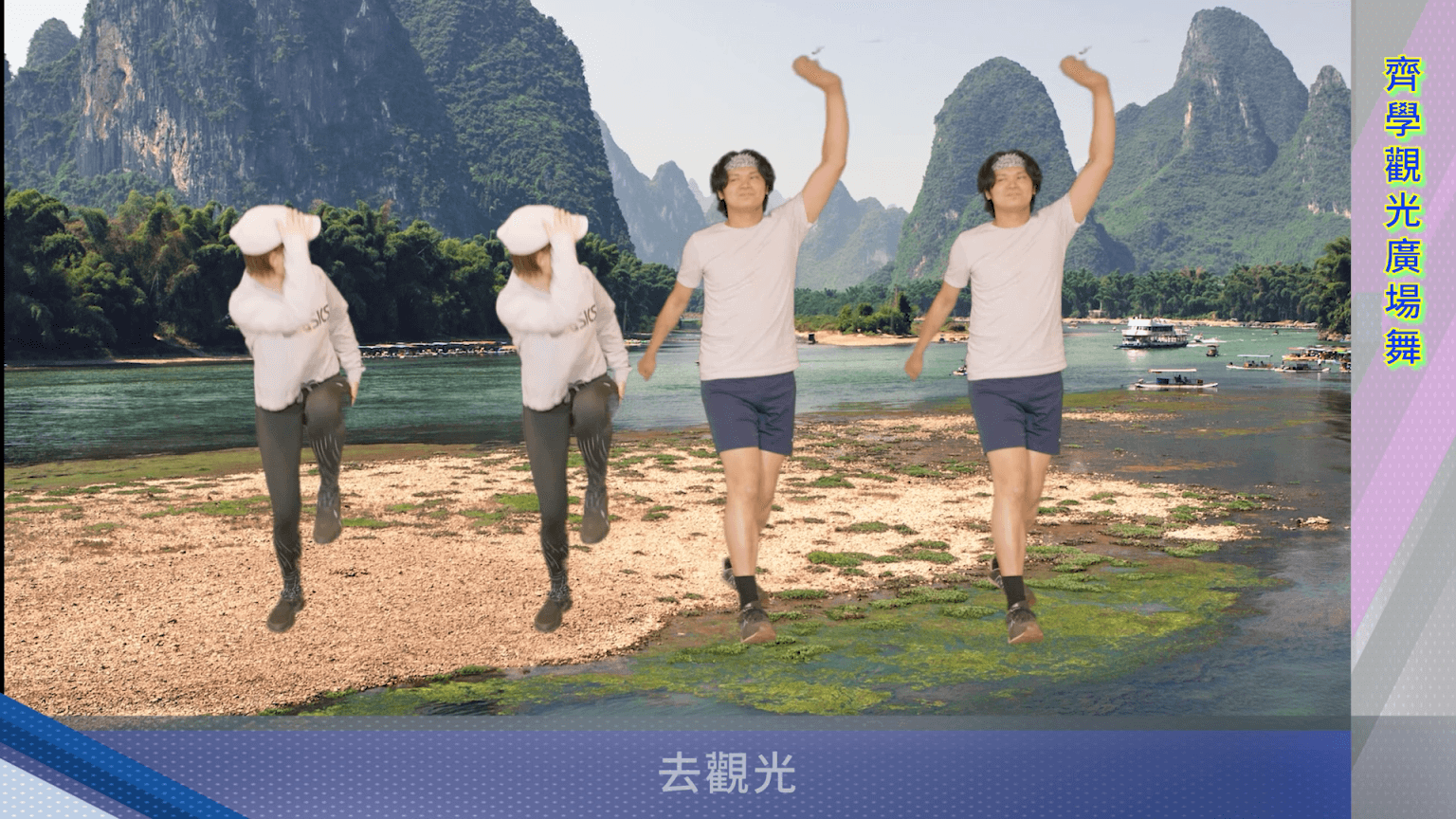


Sightseeing Square Dance觀光廣場舞
For Hong Kong, a city perpetually topping the charts as the world’s least affordable housing market, travel carries a certain ironic contradiction. Travel represents consumption, making it harder to save for property. This necessitates working even harder, yet the accumulated work pressure inevitably fuels the desire for the next trip. Travel itself is a product of advanced capitalism – while local residents seek escape to other towns and cities, Hong Kong conversely attracts countless tourists from abroad. In 2021, a pervasive sense of melancholy gloom hung over society; the two-year global confinement due to the COVID-19 pandemic shattered the balance where travel facilitates human mobility.
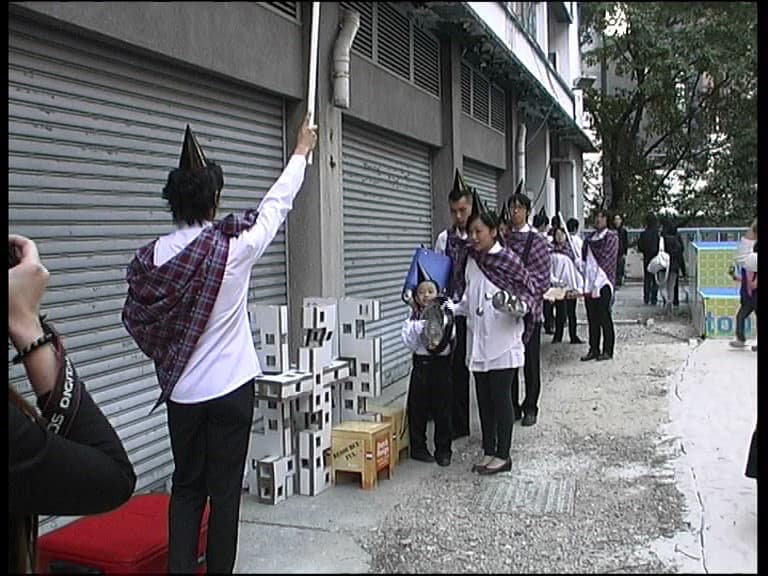
Looking ahead to the eventual lifting of pandemic restrictions and the revival of tourism (Hong Kong eventually lifted outbound travel restrictions in 2023), this instructional video features a dance teacher choreographing a “Sightseeing Square Dance” based on Hong Kong’s iconic foods and transportation. Guangchangwu (Square Dance) is a characteristic Chinese folk exercise dance performed in public squares, typically set to remixed versions of mainland Chinese folk-pop tunes transformed into electronic dance music. The loud, pulsating music of Guangchangwu is often criticized as a public nuisance, mirroring the impact tourism activities can have on local residents. This self-mocking video thus reflects on the various effects of consumer culture, including the paradoxical relationship between psychological dependence and aversion/rejection. This very paradox reflects the contradictory state often seen in advertising and television – caught between promotion and the fear of becoming a nuisance.
The video’s content references midday talk and information programs on Hong Kong television, such as the exercise segments in 《都市閒情》(Pleasure & Leisure). In these segments, hosts follow an instructor leading viewers through themed exercise routines, with the hosts’ clumsy performances often enhancing audience relatability. Additionally, the video’s framing mimics the information screens found on the MTR (Mass Transit Railway), specifically the style that crams various information displays into side-panel formats. This video has been shown in “Mass Transit Railway” installation exhibition and video installation “Mass Transit Railway Express”, displayed on overhead screens at low volume.
作為全球房價最難負擔的城市排行榜中長期於榜首的香港來說,旅行或許帶有一點諷刺矛盾,因旅行代表著消費,亦代表更難儲蓄去應付房產。因此你必須更努力工作,然而工作壓力的累積便會促成下一場旅行的慾望。旅行本來就是發達資本主義的產物,當本地居民想遠走另一城鄉觀光,香港反之亦吸引著無數異邦的遊客前往。在2021年的社會普遍彌漫著一種鬱悶愁緒,COVID-19疫情令世界各地困了兩年,打破了旅行促進人的流動平衡。
憧憬著不久後將來疫情解封的旅遊業再度發展 (實際上香港在2023年開始解放疫情外遊限制),此教學影片我請來了舞蹈老師以香港的特色食物和交通出行編一隻「觀光廣場舞」。廣場舞是中國大陸的特色民間廣場健身舞,音樂為大陸的流行民謠重新混音成流行電子舞曲作為伴奏。廣場舞的強勁節拍音樂常常被批評擾民,反照旅行活動對當地居民的影響亦何嘗不是。這充滿自嘲的影片便反思對消費文化上帶來的各種效應,包括心理依賴與厭惡排斥的弔詭關係,而這亦正正反映生活中廣告電視呈現的弔詭狀態,介乎推銷又怕擾民的狀態。
影片內容參照了香港電視台午間播出的清談資訊節目,如《都市閒情》(英語:Pleasure & Leisure)中的運動教學環節,當中主持會跟隨一位導師帶領觀眾做一系列帶主題的運動健身操,而主持笨拙的表現往往加強了觀眾的代入感。另外影片的邊框格式則仿效地下鐵上的資訊電視,那種同時把各種資訊擠在邊框顯示的方式。這影片曾在展覽《地下鐵》及另一作品《地下直通車》中展示,置於頭頂並調至低音量播放。
references / related
vmac archived / related artworks


about the artist /
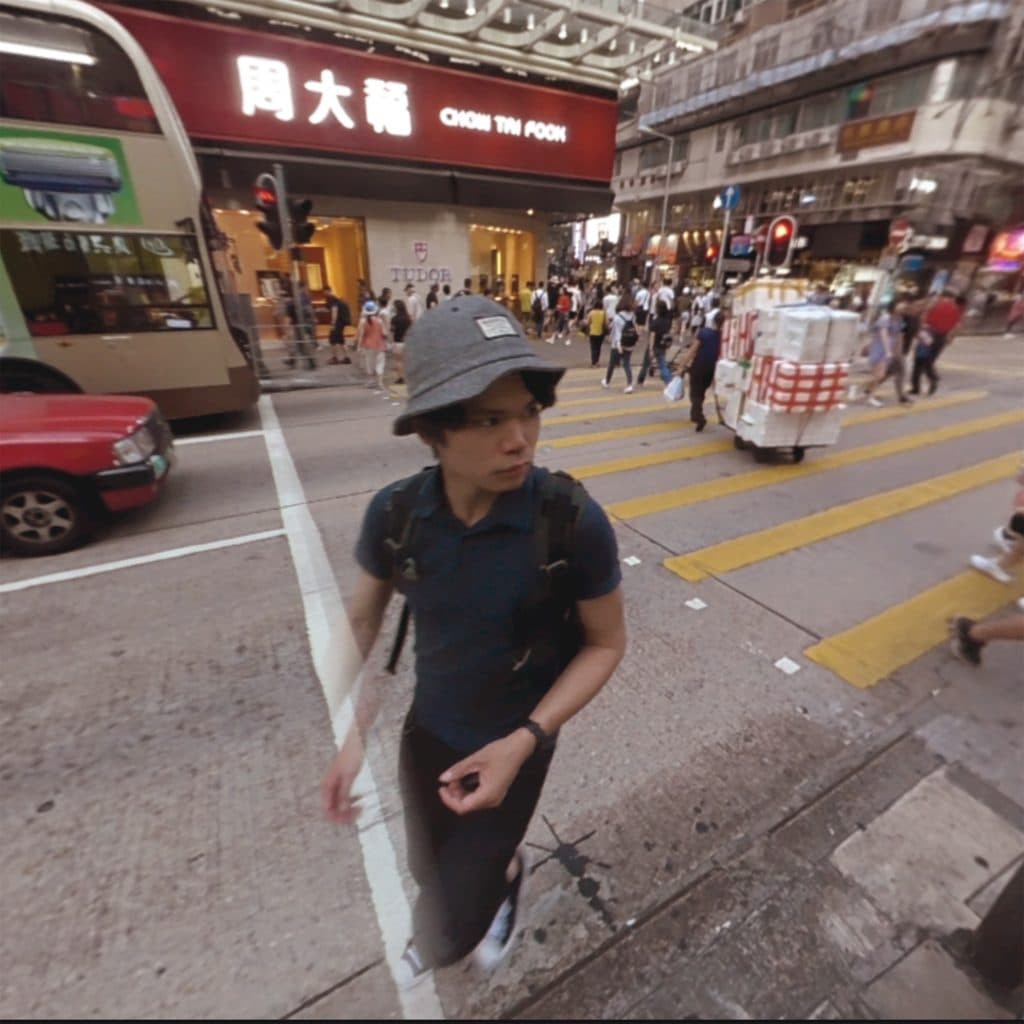
Sing Jantzen Tse received his Master of Fine Art at the Chinese University of Hong Kong. Sing’s artworks focus on the topics of language and conversation, sound and visuals of daily objects and city landscapes. Delighted in reconstructing scenes using diverse materials to document and re-present various pure experiences, his artworks explore the inextricable and entangled relationships between people, time, the urban environment, and objects of daily life. Tse’s creative practice is primarily led by sound and video installations, as well as sound performances. Tse is active in varied kinds of music and multimedia theatre performances. He also engages in Artistic education. The latest solo exhibition is “Mass Transit Railway” (2024). Tse was supported by soundpocket’s Artist Support Programme 2011–12.
vmac archived / artworks from the artist




All copyright reserved by the artist. 作品版權歸藝術家所有。
For enquires, please contact [email protected]