

The Narrow Road to the Deep Sea, Part V: The Remains of the Night通向深海的狹道,第五章:長夜將盡
In 1942, after the fall of Hong Kong, the Governor announced the ‘Repatriation Policy.’
He received a few days’ worth of dry rations and boarded a boat that only carried people away, never back, drifting upriver until he reached Nanshitou on the outskirts of Canton (now Guangzhou).
By then, Japanese troops stationed in Canton were thinning out, while waves of refugees poured in from Hong Kong. Food grew scarce. She was forced to till the soil of the refugee camp, working for scraps of leftover gruel. At times, she entered the grim laboratory, trading her flesh for a meal.
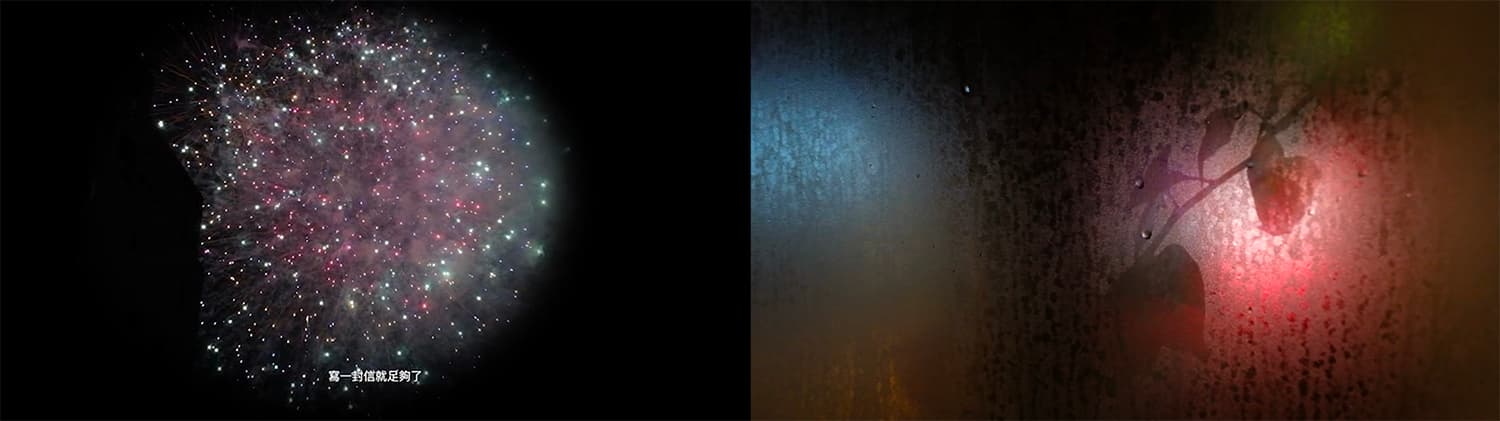
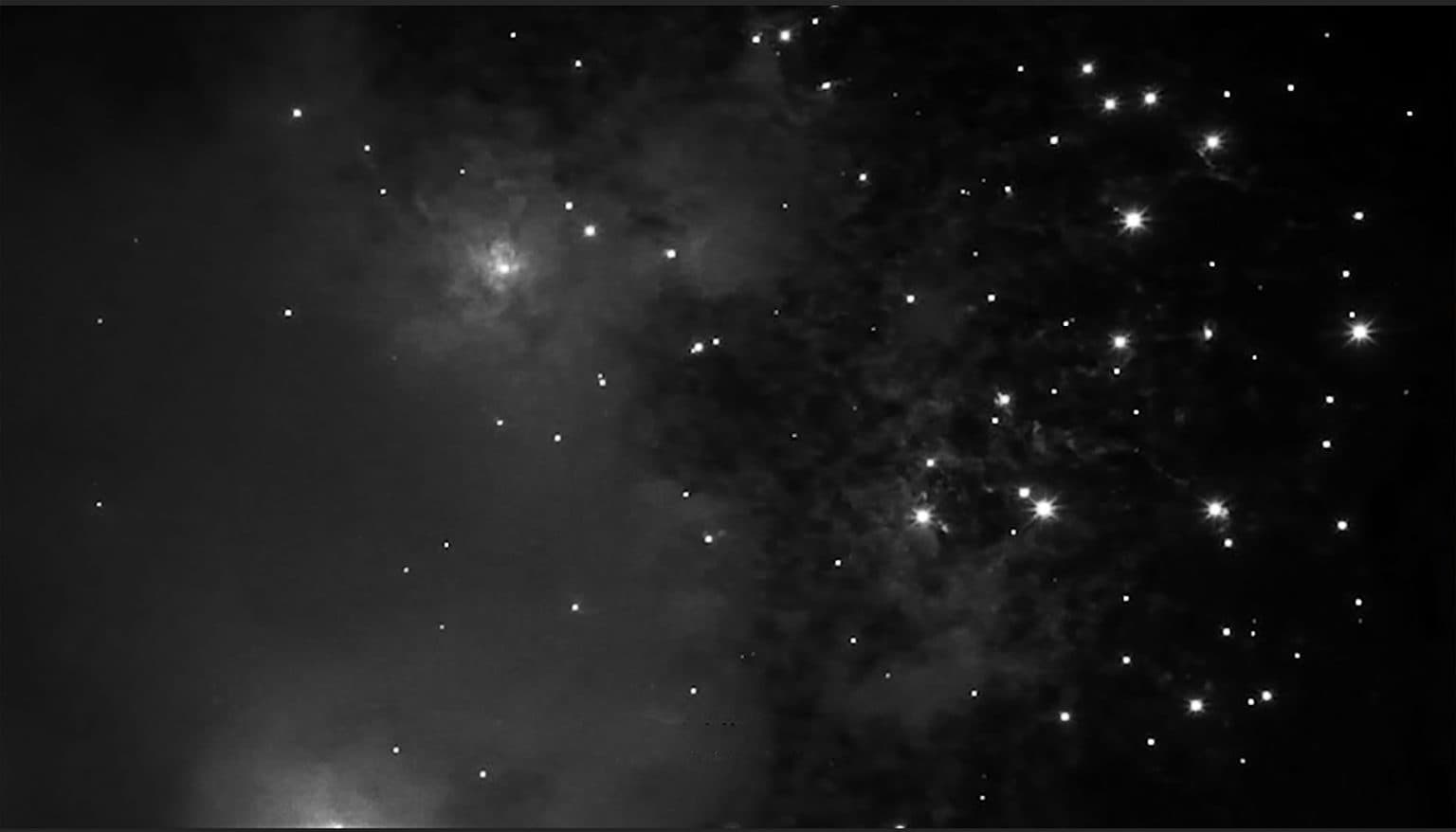
Drug trials and bacteriological experiments drained her body, hollowed her mind, and left her adrift in hallucinations. In the endless night, their only solace was to look up at the sky lit with bursts of fireworks.
The Remains of the Night is part five of the series The Narrow Road to the Deep Sea.
The Narrow Road to the Deep Sea explores the trauma of displacement under the shadow of persecution during the Second World War, focusing on Hong Kong, mainland China, and Japan.
At its centre is the little-known brutality that happened in Nanshitou, at the outskirts of Canton (now Guangzhou), China. Between 1942 and 1945, under Japanese occupation, around 800,000 Hong Kong residents were deported; many were sent to Canton and detained at the Nanshitou Refugee Camp. There, countless individuals endured forced labour, human experimentation, and bacteriological testing.
The work turns to voices often absent from dominant histories, tracing states of fear, survival, and fragile resilience. The refugee camp emerges as both a detention centre and site of medical exploitation, suspended between life and death.
Through archival research, field study, interviews, and artistic practice, including film, photography, performance, and sculpture, the project re-examines forgotten narratives and unsettles memory.
1942年,香港淪陷後,總督頒佈「歸鄉政策」。
他領取了幾日的乾糧,登上那班只送走不帶回的船,順流而去,抵達廣州城外的南石頭。
彼時,駐廣州的日軍人手漸減,
卻湧入大批從香港而來的難民。
糧食日益匱乏。她被迫在難民所的土地裡耕作,只能嚐得殘羹冷飯。也偶爾踏入那幽暗的實驗室,以肉身換食。
藥物與細菌實驗令身體漸次枯萎,精神恍惚,幻象叢生。而在將盡的長夜,他們唯一的慰藉,
是仰望天際綻放的煙火。
《長夜將盡》為《通向深海的狹道》系列的第五章。
《通向深海的狹道》探討二次世界大戰期間,香港、中國大陸與日本在戰爭逼迫所引發的流離與創傷。
作品的核心指向一場鮮為人知的殘酷事件——發生於中國廣州郊區南石頭的屠殺。1942 至 1945年間,香港在日佔統治下,約八十萬名居民被各種理由驅逐或遣返至中國。當中不少人被送往廣州南石頭難民收容所。難民飽受強迫勞動、人體實驗與細菌學試驗之苦。
藝術家透過文獻、田野考察與訪談等研究方法重新探尋這段被遮蔽的歷史,並以影像、展演、攝影與雕塑等創作回應,試圖呈現主流敘事之外的聲音,叩問既有的歷史判斷,並挖掘潛藏於人心深處的人性。
在懲罰與暴行的背後,作品編織起那些被遺忘的個體聲音,折射出多樣的人性、心理狀態與掙扎求生的過程。難民收容所既是拘禁之地,也是醫學實驗與數據蒐集的場域,更是一處前途未卜、懸置生死的所在。
references / related
vmac archived / related artworks

All copyright reserved by the artist. 作品版權歸藝術家所有。
For enquires, please contact [email protected]