

The Narrow Road to the Deep Sea, Part IV: The Digger通向深海的狹道,第四章:挖掘工
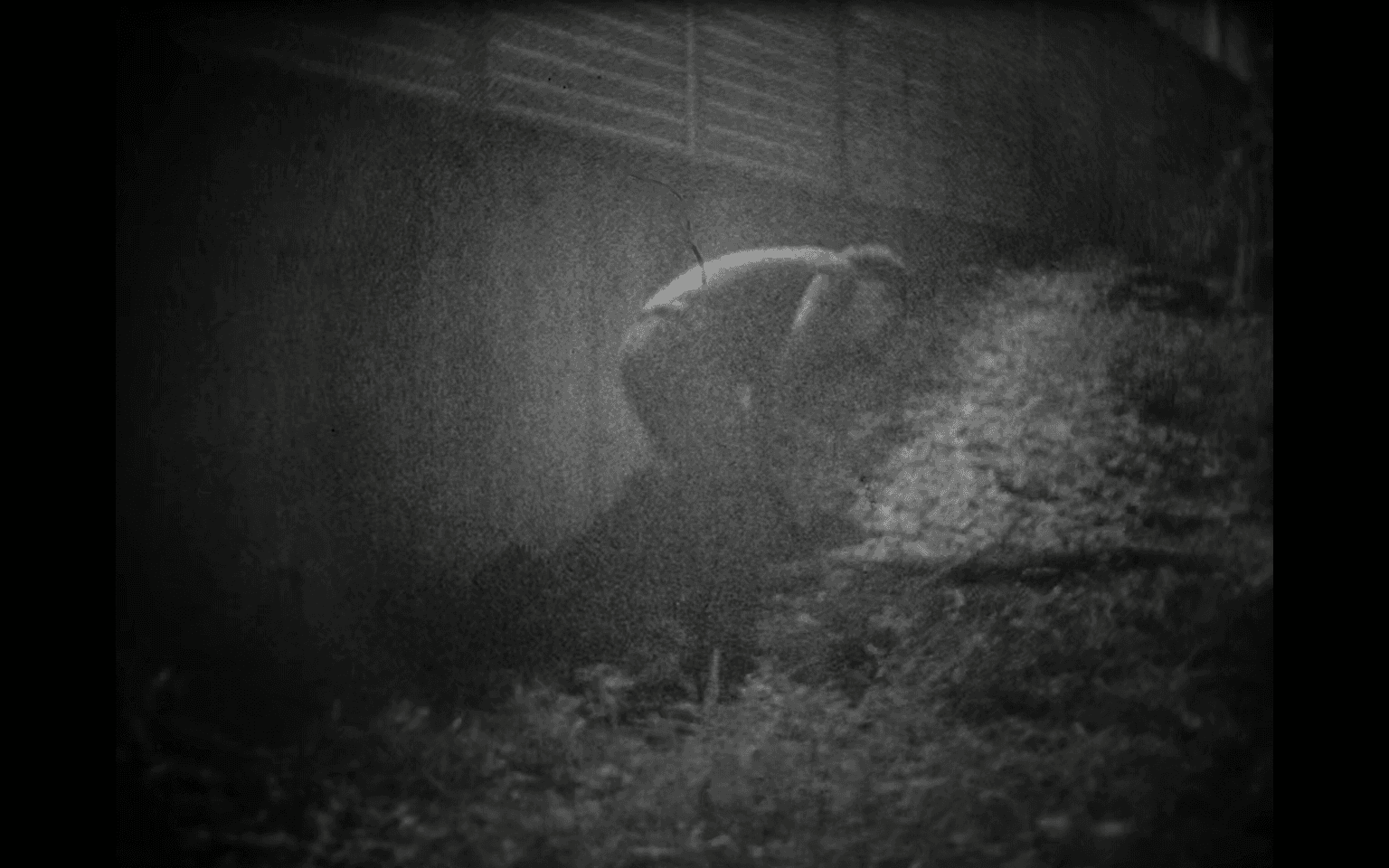
This work is a video documentation of a performance made in Toyama Park (戶山公園), Shinjuku, Tokyo.
From the 1920s until the end of the Second World War, Hakone-yama near Shinjuku was the site of the Toyama Army Medical School. Part of its facilities housed the Tokyo division of the Kwantung Army Epidemic Prevention and Water Purification Department.
In the 1990s, more than a hundred human remains were unearthed at Toyama. They were believed to be ‘teaching materials’ of the Medical School. At least sixty-two of the bodies were genetically identified as Mongolian.
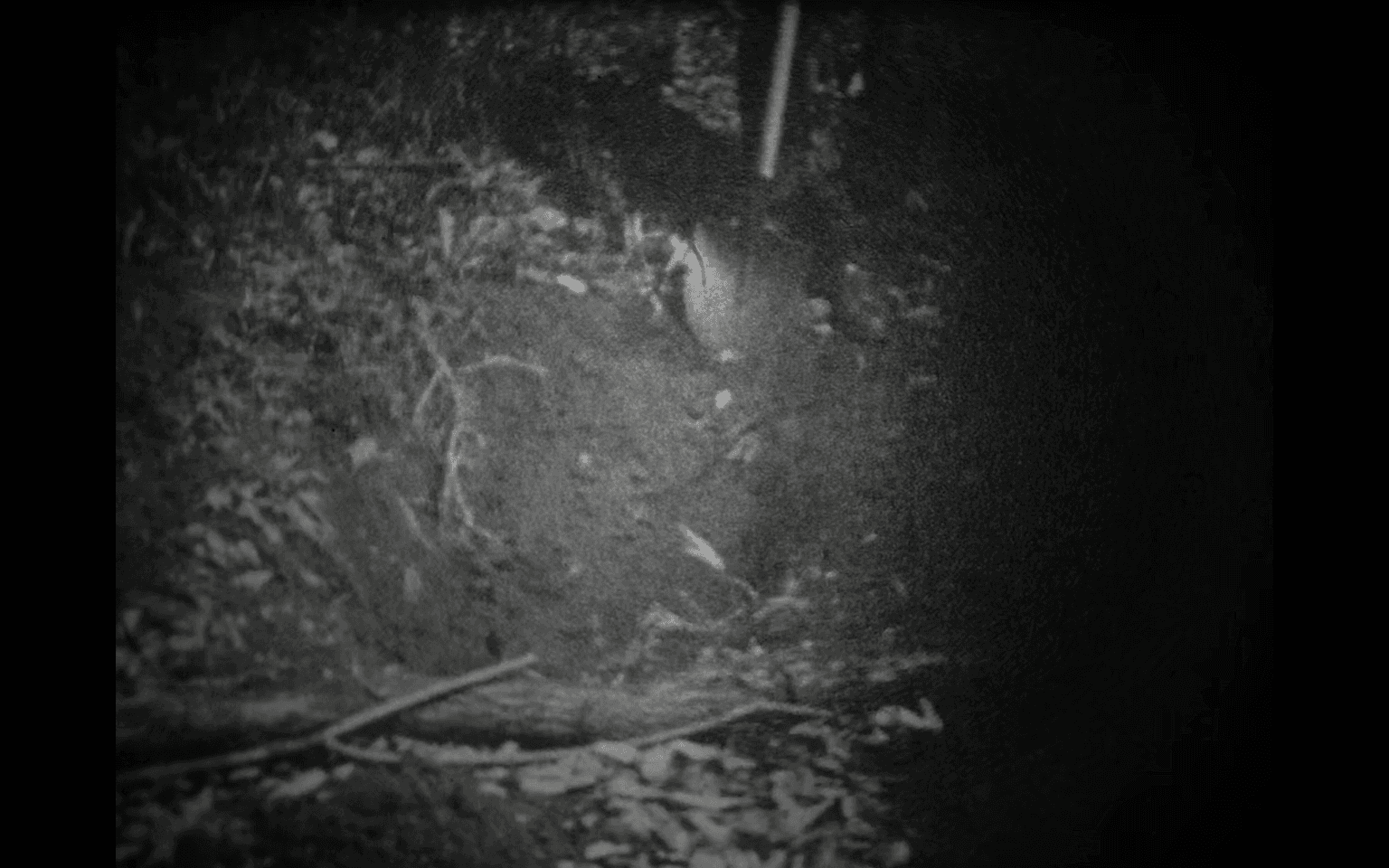
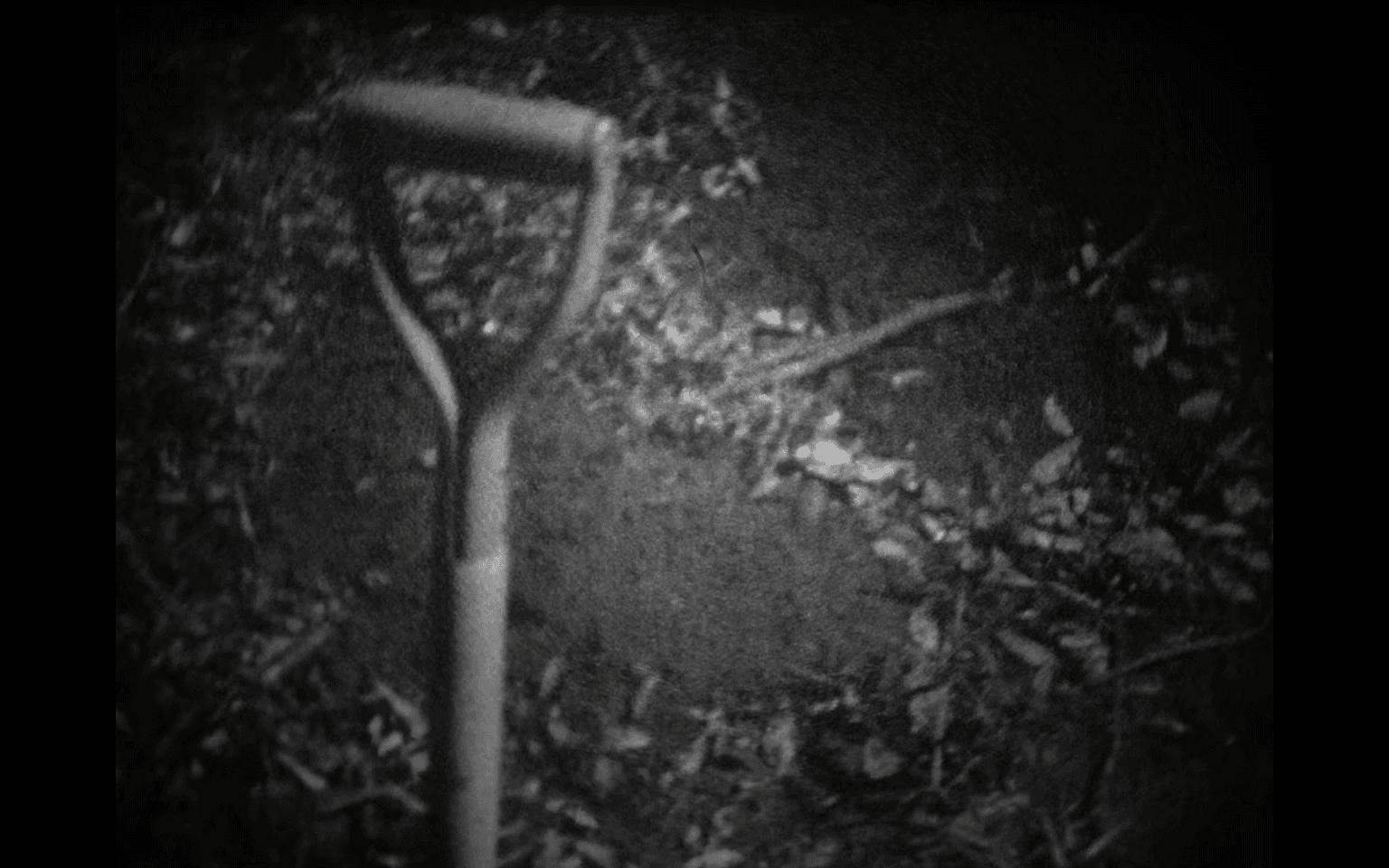
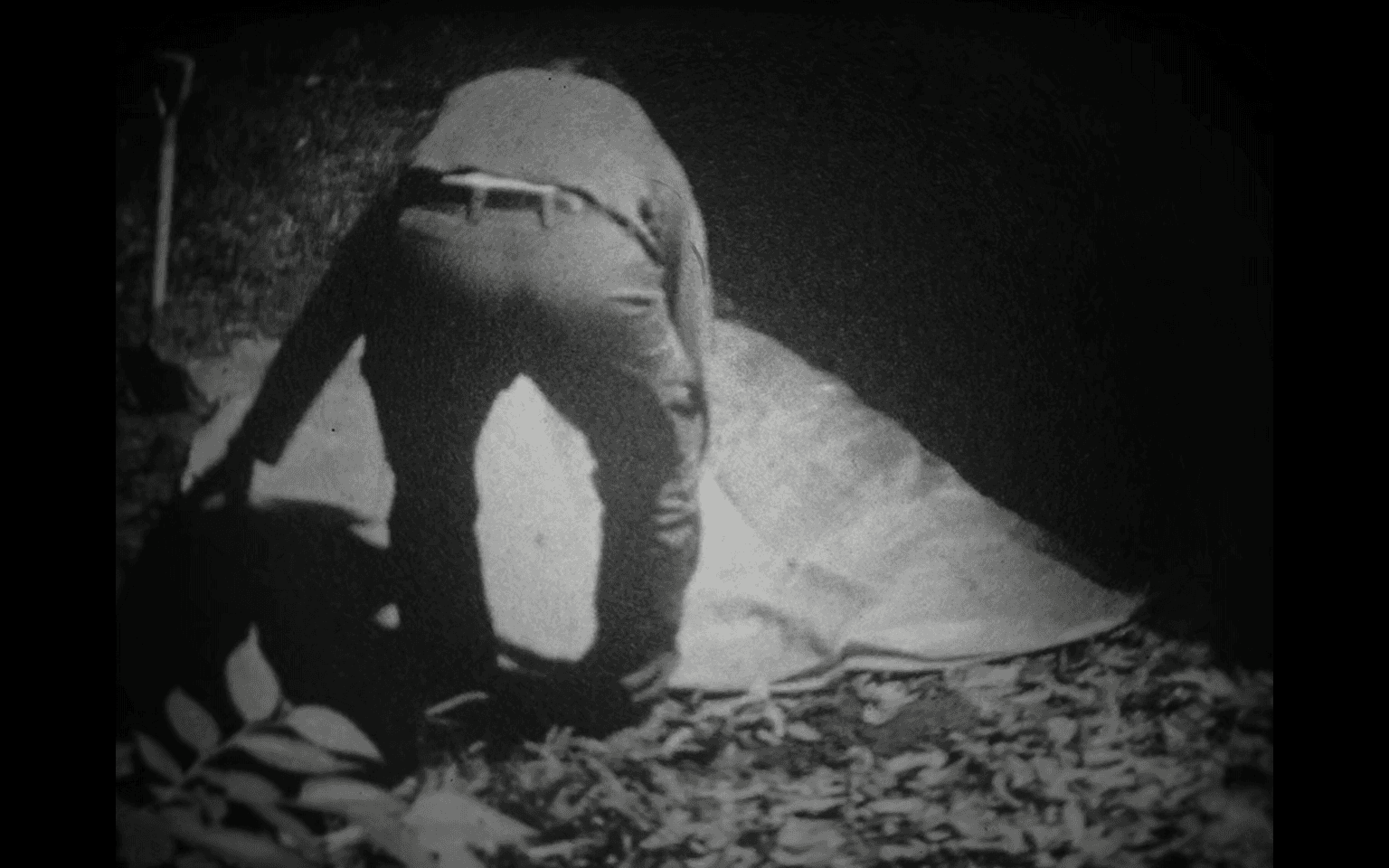
The site resonates with my own secondary school experience (Part I: George and the Swimming Pool). I lingered in the park, observing people and the site. Instinct compelled me to dig into the earth—excavating a void just large enough to contain my body, and covering it with a fragment of ‘sea.’ Hours of labour made me sense the intertwining of life, death, and malice, echoing the refugees at the Nanshitou camp who had once been forced to dig their own graves.
According to the son of a worker who carried corpses at the camp, the Japanese warden scattered lime (Ca(OH)₂) over the bodies in a pond, accelerating the dissolution of bones, suppressing bacteria, and masking the stench of decay. I speculate that hydrochloric acid (HCl) may also have been added, producing an exothermic reaction that hastened the decomposition of flesh and bone. The only by-products were salt and water.
This ‘sea’ was composed of bodies and suffering. Over time, fallen leaves and rainwater covered it. Nature pressed its weight down once more, exposing the absence—the void beneath.
The Digger is part four of the series The Narrow Road to the Deep Sea.
The Narrow Road to the Deep Sea explores the trauma of displacement under the shadow of persecution during the Second World War, focusing on Hong Kong, mainland China, and Japan.
At its centre is the little-known brutality that happened in Nanshitou, at the outskirts of Canton (now Guangzhou), China. Between 1942 and 1945, under Japanese occupation, around 800,000 Hong Kong residents were deported; many were sent to Canton and detained at the Nanshitou Refugee Camp. There, countless individuals endured forced labour, human experimentation, and bacteriological testing.
The work turns to voices often absent from dominant histories, tracing states of fear, survival, and fragile resilience. The refugee camp emerges as both a detention centre and site of medical exploitation, suspended between life and death.
Through archival research, field study, interviews, and artistic practice, including film, photography, performance, and sculpture, the project re-examines forgotten narratives and unsettles memory.
作品是一段在日本東京新宿戶山公園拍攝的錄像紀錄。
新宿附近的箱根山,自1920年代至二戰結束一直是戶山陸軍軍醫學校的校址,其中部分設施曾被劃作關東軍防疫與給水部(東京分部)的實驗室。
九十年代,戶山陸續發現並挖掘出逾百具人體遺骸,相信為軍醫學校的「教學材料」。其中至少六十二具屍體屬蒙古族。
這遺址跟我中學時期的經歷產生迴響(〈第一部:佐治與游泳池〉)。我在公園中逗留,觀察人們與地景,直覺驅使我在地上挖掘,為身體造出一個坑洞,並覆上一片「海」。幾小時的勞動,使我意識到生死與邪念,正如當年南石頭難民被迫自掘墳墓。
據難民所搬運屍體者的兒子回憶,日軍曾在埋放難民屍體的池中撒石灰(Ca(OH)₂),用以快速溶解骨骼、抑制細菌、遮掩屍臭。我推測他們或曾添加鹽酸(HCl),使化學反應釋放高熱,迅速分解屍體與骨骼,最後生成的副產物只有鹽與水。這片「海」,由痛苦與身體構成。隨著時間流逝,落葉與雨水覆蓋其上,自然的重量再次壓下,顯露出缺失的空間。
《挖掘工》為《通向深海的狹道》系列的第四章。
《通向深海的狹道》探討二次世界大戰期間,香港、中國大陸與日本在戰爭逼迫所引發的流離與創傷。
作品的核心指向一場鮮為人知的殘酷事件——發生於中國廣州郊區南石頭的屠殺。1942 至 1945年間,香港在日佔統治下,約八十萬名居民被各種理由驅逐或遣返至中國。當中不少人被送往廣州南石頭難民收容所。難民飽受強迫勞動、人體實驗與細菌學試驗之苦。
藝術家透過文獻、田野考察與訪談等研究方法重新探尋這段被遮蔽的歷史,並以影像、展演、攝影與雕塑等創作回應,試圖呈現主流敘事之外的聲音,叩問既有的歷史判斷,並挖掘潛藏於人心深處的人性。
在懲罰與暴行的背後,作品編織起那些被遺忘的個體聲音,折射出多樣的人性、心理狀態與掙扎求生的過程。難民收容所既是拘禁之地,也是醫學實驗與數據蒐集的場域,更是一處前途未卜、懸置生死的所在。
references / related
vmac archived / related artworks

All copyright reserved by the artist. 作品版權歸藝術家所有。
For enquires, please contact [email protected]