

The Narrow Road to the Deep Sea, Part III: The Enka Singer通向深海的狹道,第三章:演歌歌者
On either side of the refugee camp stood two concrete tanks, each twenty metres wide, five metres high, and five metres deep. They were not reservoirs but ‘bone-dissolving ponds’—a death machine devised by the army, where corpses were thrown into lime and chemicals to be dissolved day and night.
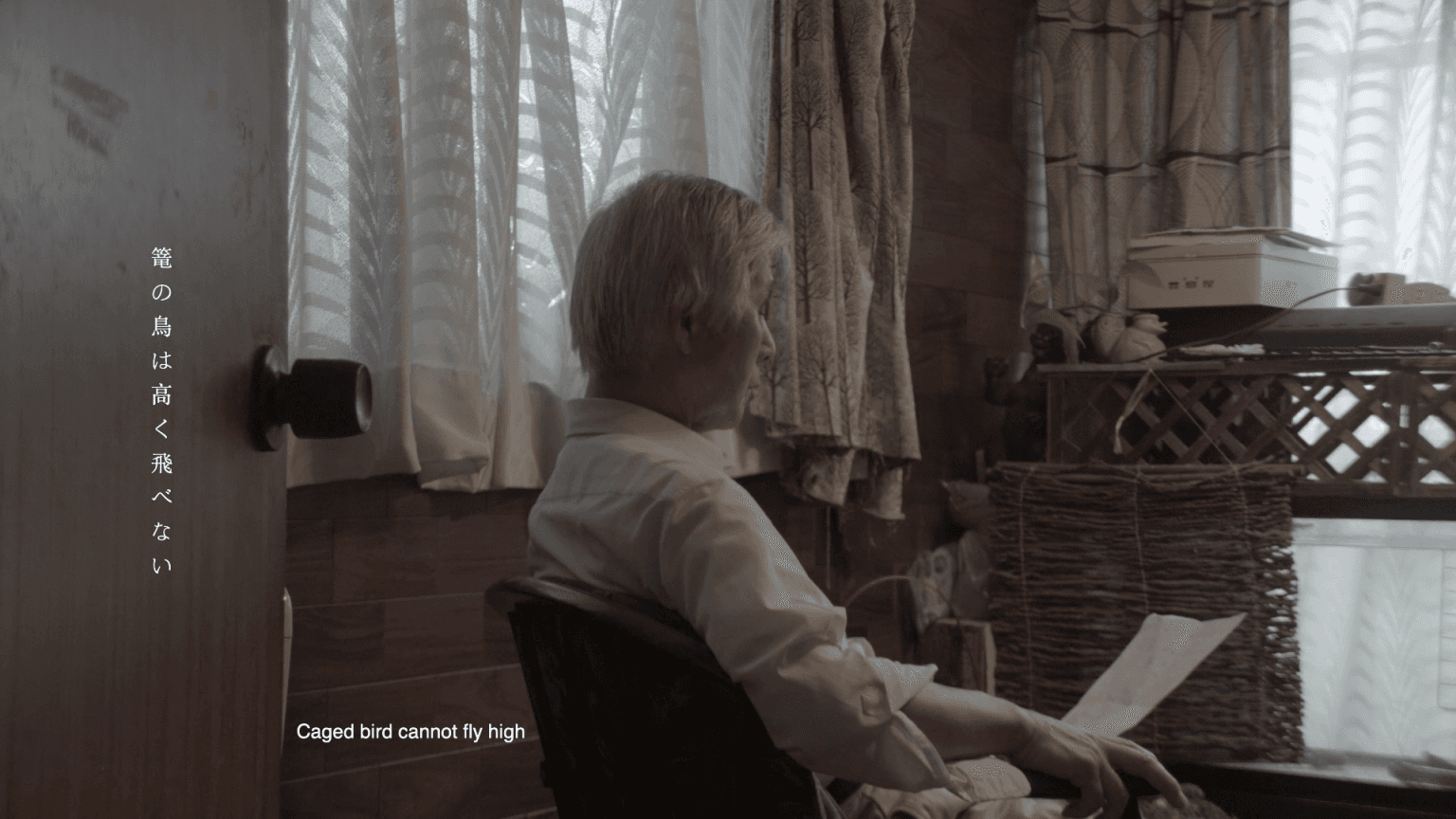
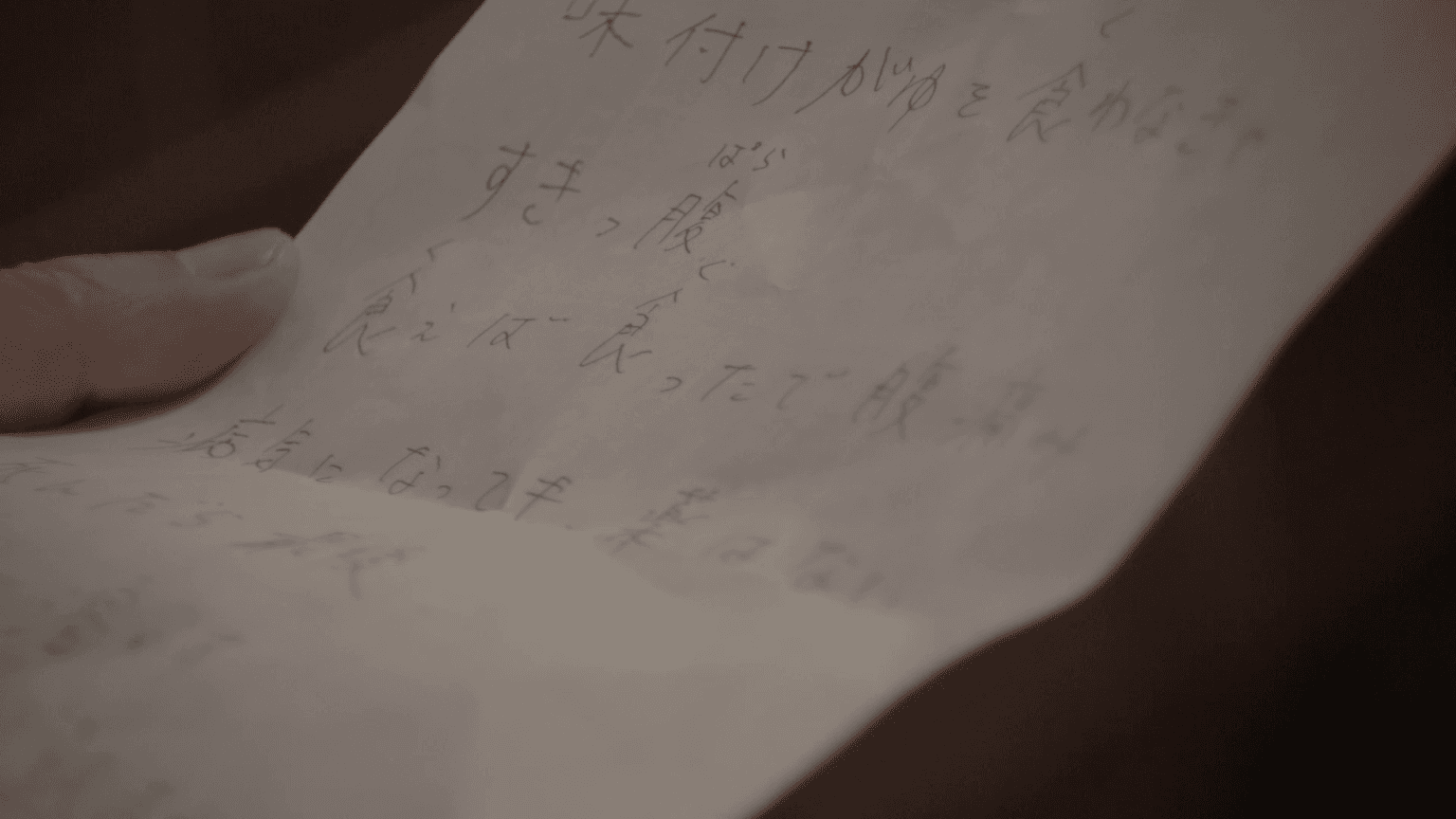
Survivors recalled a doggerel that circulated in the camp, chanted by both perpetrators and victims alike:
Caged birds cannot fly high
Without the flavoured gruel, hunger gnaws the guts
But should you eat, the pain will twist within,
beyond any cure
And the bone-dissolving pond awaits
The Enka Singer is part three of the series The Narrow Road to the Deep Sea.
The Narrow Road to the Deep Sea explores the trauma of displacement under the shadow of persecution during the Second World War, focusing on Hong Kong, mainland China, and Japan.
At its centre is the little-known brutality that happened in Nanshitou, at the outskirts of Canton (now Guangzhou), China. Between 1942 and 1945, under Japanese occupation, around 800,000 Hong Kong residents were deported; many were sent to Canton and detained at the Nanshitou Refugee Camp. There, countless individuals endured forced labour, human experimentation, and bacteriological testing.
The work turns to voices often absent from dominant histories, tracing states of fear, survival, and fragile resilience. The refugee camp emerges as both a detention centre and site of medical exploitation, suspended between life and death.
Through archival research, field study, interviews, and artistic practice, including film, photography, performance, and sculpture, the project re-examines forgotten narratives and unsettles memory.
在難民所的兩側,矗立著兩座水泥池,寬二十米,高五米,深五米。這裡不是水池,而是「化骨池」──一種由部隊發明的處理死亡的機器。屍體被投入石灰與藥劑之中,日夜溶解。
倖存者回憶起流傳於難民所內的一首打油詩,由施暴者與受暴者共同頌唱:
籠中鳥,難高飛
不食味粥肚又饑
食了味粥必腹痛
無藥可醫
定死落化骨池
《演歌歌者》為《通向深海的狹道》系列的第三章。
《通向深海的狹道》探討二次世界大戰期間,香港、中國大陸與日本在戰爭逼迫所引發的流離與創傷。
作品的核心指向一場鮮為人知的殘酷事件——發生於中國廣州郊區南石頭的屠殺。1942 至 1945年間,香港在日佔統治下,約八十萬名居民被各種理由驅逐或遣返至中國。當中不少人被送往廣州南石頭難民收容所。難民飽受強迫勞動、人體實驗與細菌學試驗之苦。
藝術家透過文獻、田野考察與訪談等研究方法重新探尋這段被遮蔽的歷史,並以影像、展演、攝影與雕塑等創作回應,試圖呈現主流敘事之外的聲音,叩問既有的歷史判斷,並挖掘潛藏於人心深處的人性。
在懲罰與暴行的背後,作品編織起那些被遺忘的個體聲音,折射出多樣的人性、心理狀態與掙扎求生的過程。難民收容所既是拘禁之地,也是醫學實驗與數據蒐集的場域,更是一處前途未卜、懸置生死的所在。
references / related
vmac archived / related artworks

All copyright reserved by the artist. 作品版權歸藝術家所有。
For enquires, please contact [email protected]